
A division of Sulphur Surgical Clinic · est. 1975

Lighter legs.
Without surgery, scars, or downtime.

Ultrasound-guided diagnostics and minimally-invasive treatment for varicose veins, spider veins, and venous insufficiency — performed in-office by three board-certified surgeons.

50+ yrscaring for SW Louisiana
100%physician-performed
<60 minmost procedures
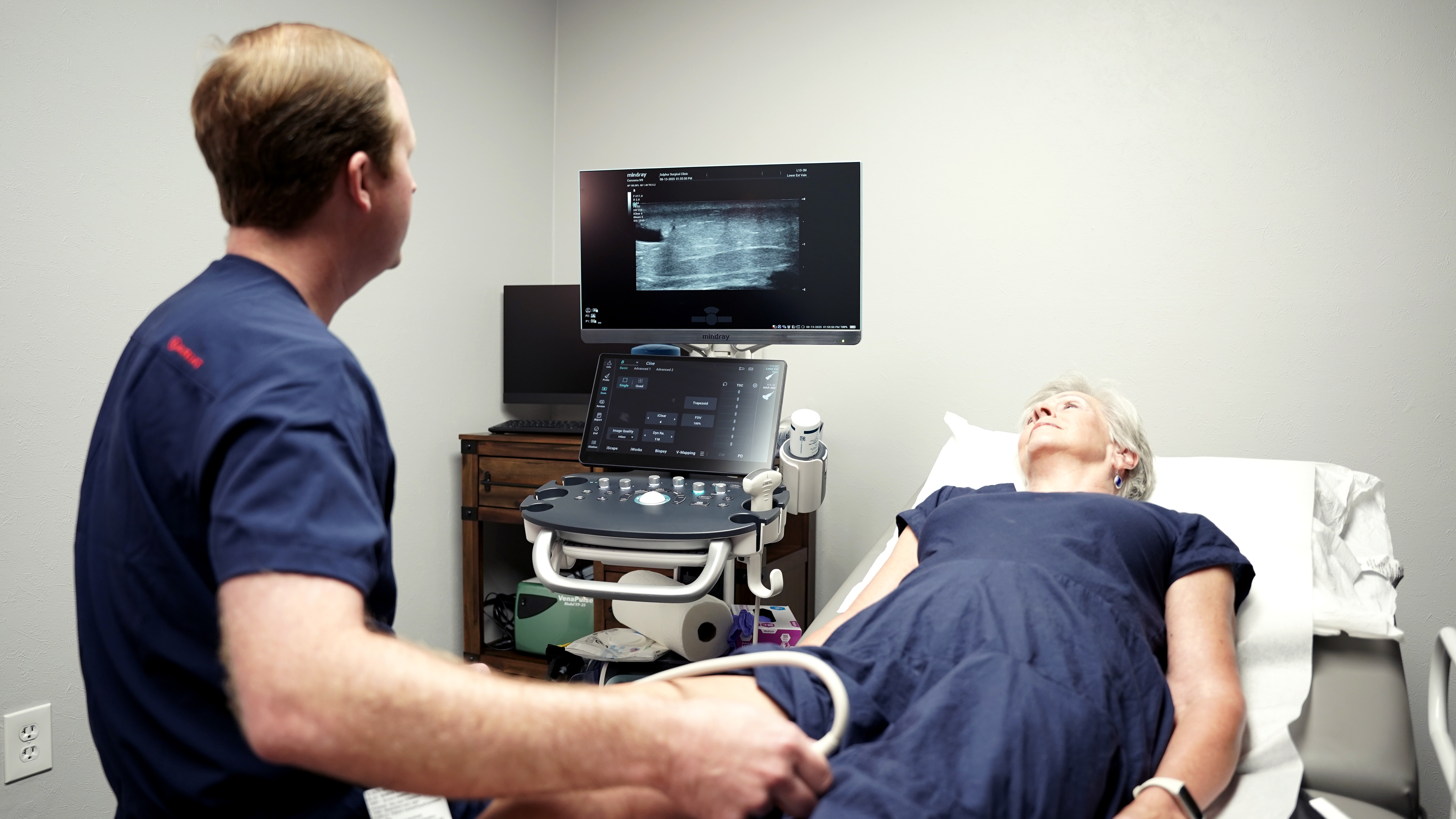
A Lake Area Vein Center surgeon performing an in-office ultrasound on a patient
In-office vein ultrasound Painless, non-invasive, results often immediate
0 daysoff work after EVLT
50+Years caring for SW Louisiana
100%Physician-performed procedures
<60 minTypical procedure time
0 daysOff work after EVLT
8Medical & cosmetic treatments
What we treat

Conditions we care for

From aching, bulging varicose veins to the fine webbing of spider veins — every plan starts with mapping exactly what's happening beneath the skin.

Varicose Veins

Aching, swelling, and the visible bulge of diseased veins — relieved by sealing or removing them.

Spider & Facial Veins

The fine red, blue, and purple webbing on legs, ankles, and occasionally the face.

Venous Insufficiency & Reflux

When valves fail and blood pools — the underlying cause we identify and treat first.

Reticular Veins & DVT Screening

Blue-green feeder veins, plus ultrasound screening to help prevent clots and ulcers.

How it happens

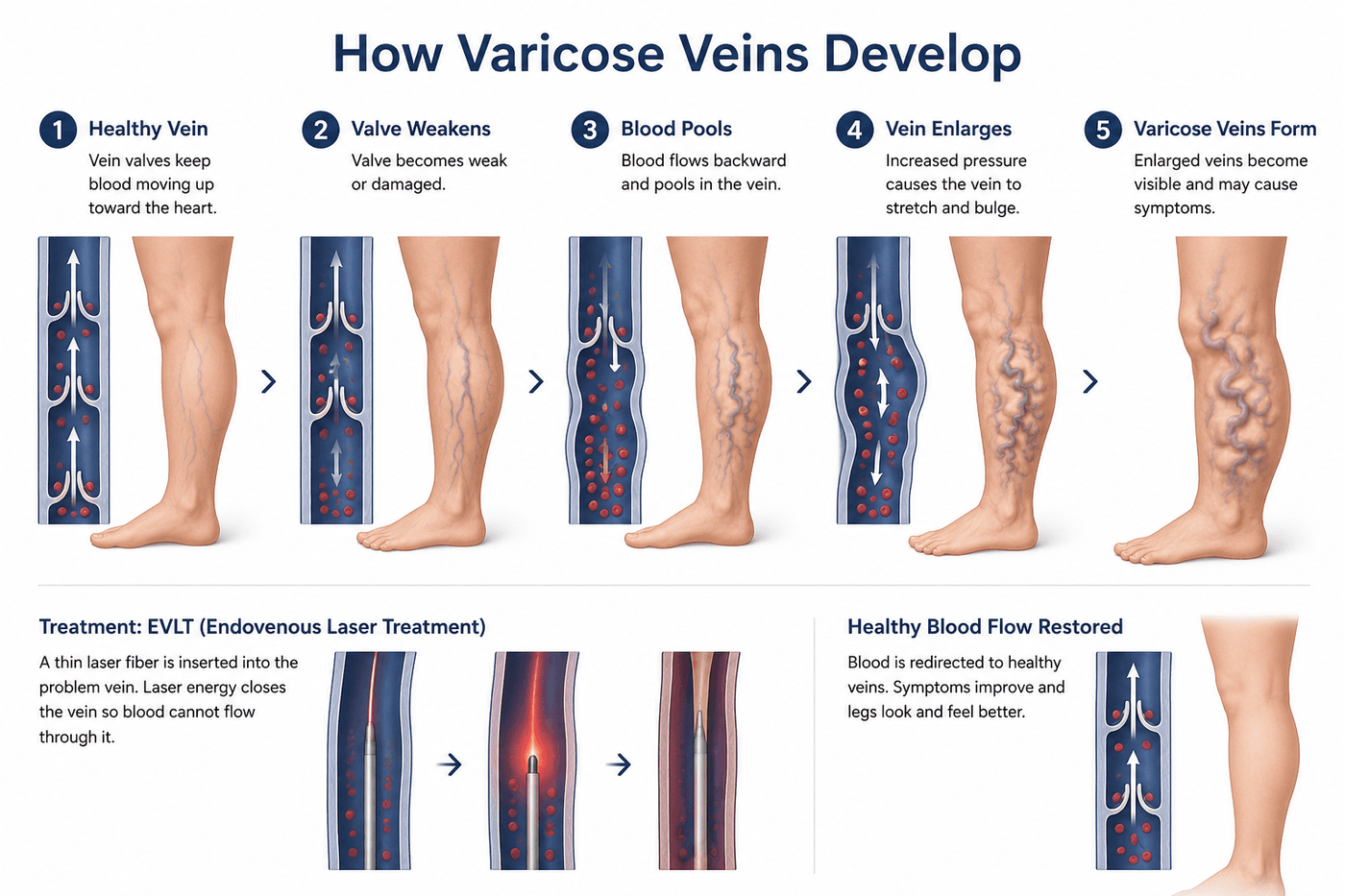
How varicose veins develop

When one-way valves weaken, blood pools and pressure builds — until veins stretch, bulge, and become visible. Here's the progression, and how laser treatment restores healthy flow.

Diagram: how varicose veins develop in five stages — from a healthy vein with working valves to valve failure, blood pooling, vein enlargement, and visible varicose veins — plus how EVLT laser treatment closes the diseased vein to restore healthy blood flow.
From a healthy vein to varicose veins — and how EVLT restores healthy blood flow.
Read: why your legs hurt
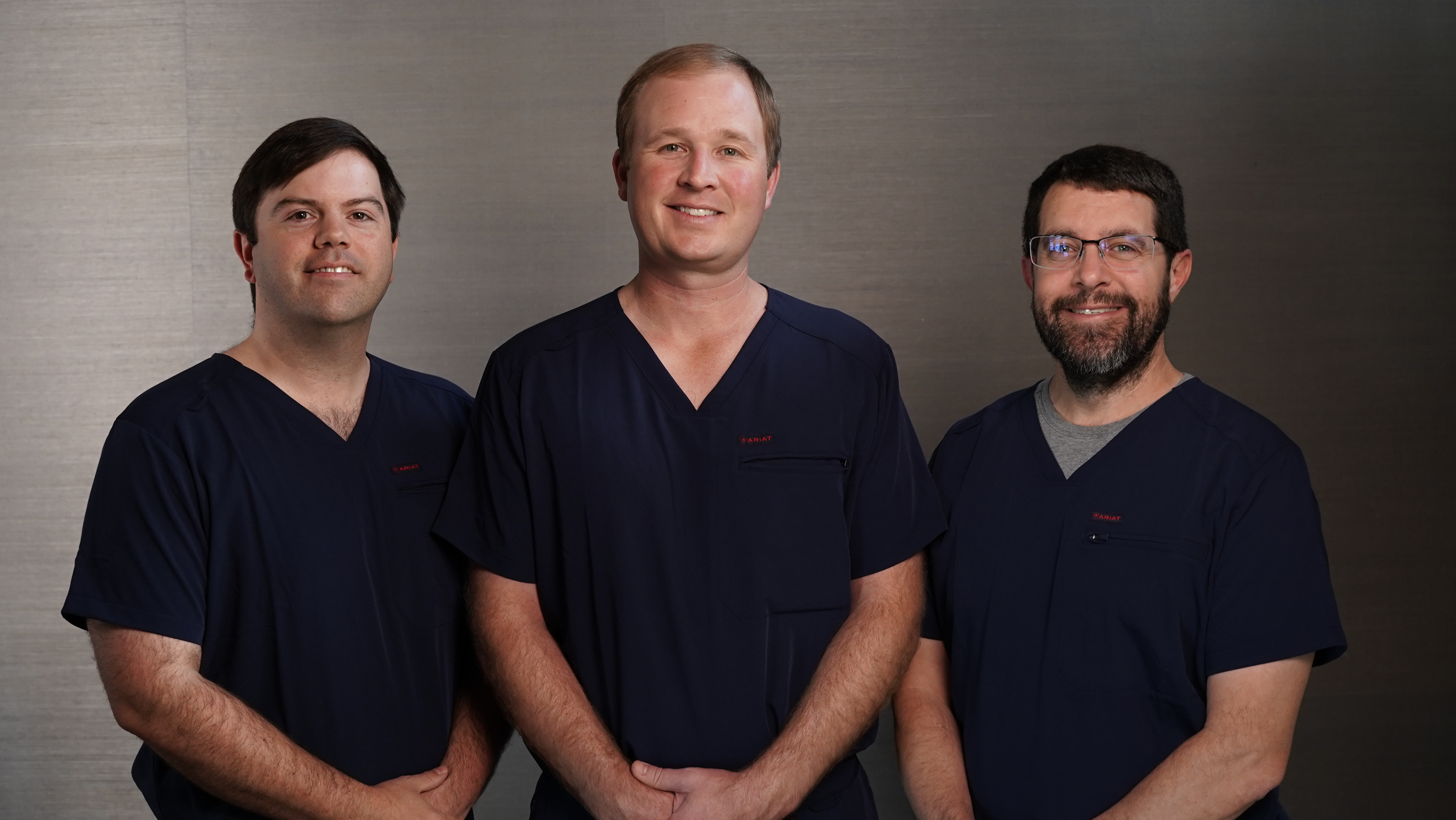
The three board-certified surgeons of Lake Area Vein Center

“If something complicated comes up, the surgeons treating your veins are the same surgeons who can take care of it on the operating table.”

— Dr. Devin Seale, vein program lead
Why Lake Area Vein Center

Surgeons treating veins — not a weekend-course chain.

Lake Area Vein Center is the dedicated vein program of Sulphur Surgical Clinic — a surgical practice that has served Southwest Louisiana for over 50 years. Every procedure is performed by one of three board-certified general surgeons who also operate at the local hospital — not by a physician at a corporate vein chain who learned vein work on a weekend course.

  • 100% physician-performed procedures, in-office
  • Ultrasound-guided diagnostics under one roof
  • Front-desk staff who walk you through insurance & scheduling
Treatments

Minimally-invasive vein care

Eight medical and cosmetic options — most completed in under an hour, in-office, with little to no downtime.

M / 01 · EVLT

Endovenous Laser Therapy

Minimally-invasive treatment for symptomatic varicose veins

A catheter is inserted into the leg near the knee, and a laser fiber is guided through it under ultrasound. Numbing medication is administered along the catheter's path for comfort. The laser's heat seals the diseased vein and redirects blood flow to healthier veins — reducing aching, swelling, and the visible bulge of varicose veins.

About 45 minutes in-office; no general anesthesia. Walk out the same day; back to most normal activity within 24 hours. Compression stocking for 1–2 weeks afterward.
Full EVLT details →
M / 02 · VARITHENA

Varithena Foam Sclerotherapy

One or two needle sticks, under one hour, no incisions

A specialized medical-grade foam is injected into the diseased vein under ultrasound guidance, causing the vein wall to close. Typically requires only one or two needle sticks — no incisions, no stitches. Treatment is usually completed in less than an hour, and most patients see results after a single session.

Usually under one hour; results often after a single session.
Full Varithena details →
M / 03 · PHLEBECTOMY

Micro-Phlebectomy

Removal of superficial bulging veins, local anesthesia

Tiny incisions — barely larger than a needle stick — are made along the affected vein, and specialized hooks carefully extract it. A quick outpatient procedure requiring only local anesthesia, with minimal scarring. Often combined with EVLT in the same visit when both treatments are indicated.

Outpatient, local anesthesia only, minimal scarring.
Full Micro-Phlebectomy details →
M / 04 · ULTRASOUND

In-Office Vein Ultrasound

Painless, non-invasive blood-flow evaluation

A quick, non-invasive ultrasound that uses sound waves to evaluate blood flow and detect varicose veins, venous insufficiency, or clots. Painless, no downtime, and performed lying down, sitting, or standing for the best view. The first step for nearly every patient and a requirement before insurance will approve treatment.

The first step for nearly every patient — and required before insurance approval.
Full Vein Ultrasound details →
C / 01 · ASCLERA

Asclera Sclerotherapy

FDA-approved injection for spider & small varicose veins

An FDA-approved injectable sclerosant that causes the targeted veins to collapse and fade over time. A safe, minimally-invasive option for improving the appearance of spider veins and small varicose veins. Most patients return for 2–3 sessions spaced a few weeks apart.

15–30 minute appointments. No downtime. Compression stocking for 3–5 days.
Full Asclera details →
C / 02 · SPIDER VEINS

Spider Vein Treatment

Telangiectasias on legs, ankles & face

The fine red, blue, and purple webbing that appears on legs, ankles, and occasionally the face. Treated with micro-injection sclerotherapy using a tiny needle and a sclerosant solution that causes the vessels to close and fade. Best for patients without underlying venous insufficiency — if reflux is present, we treat that first.

Micro-injection sclerotherapy with a tiny needle.
C / 03 · RETICULAR

Reticular Vein Treatment

Blue-green veins, slightly larger than spiders

The flat, blue-green veins that sit just under the skin — slightly larger than spider veins and often the ‘feeder’ vessels that cause spider veins to recur. Treated with sclerotherapy or Asclera, generally in the same visit as the spider veins they feed.

Often treated in the same visit as the spider veins they feed.
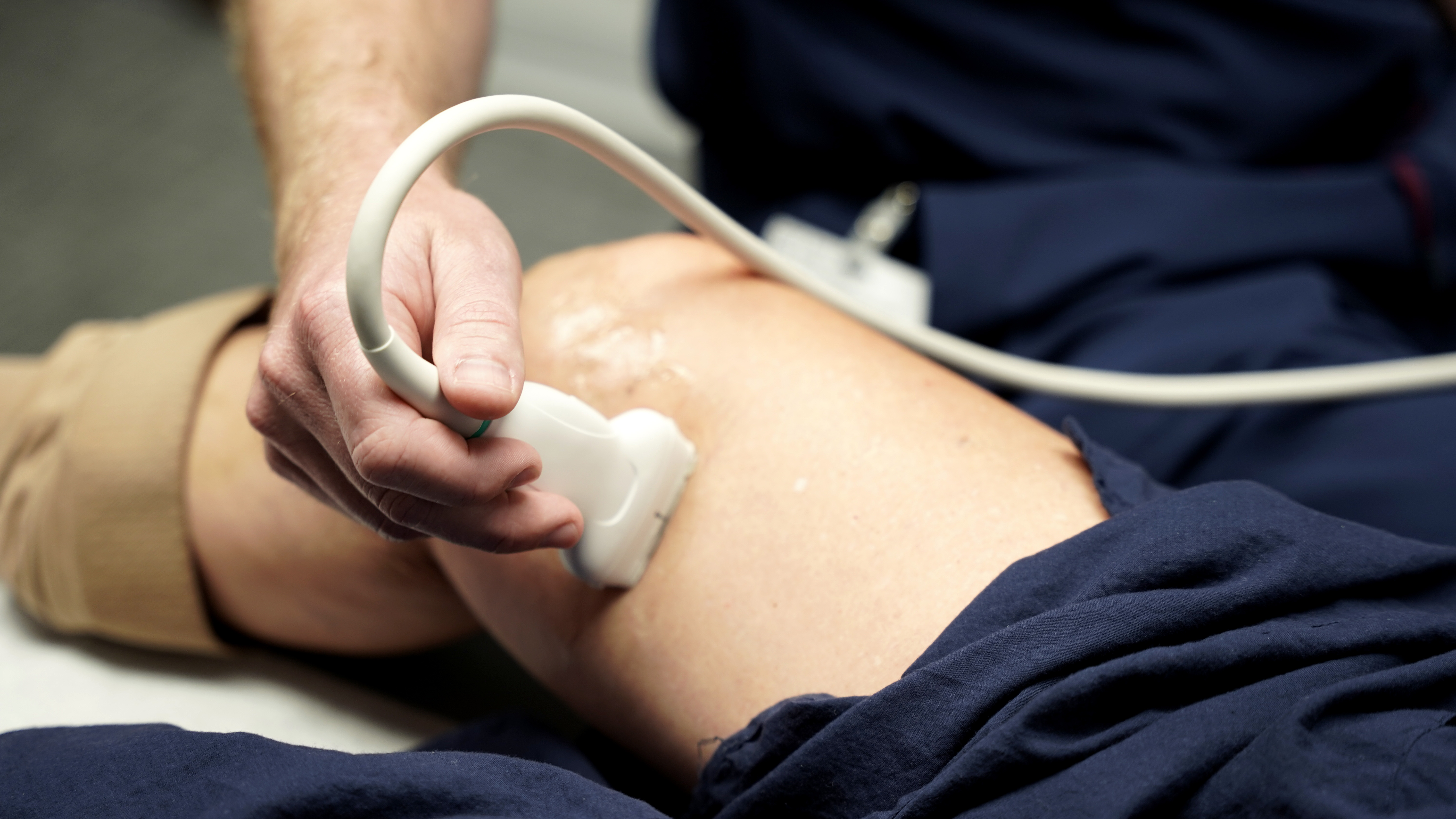
Close-up of an ultrasound probe mapping a patient's leg veins
The patient journey

Mapped first. Treated step by step.

Every patient starts with an ultrasound consultation to map exactly what's happening in your veins and what (if anything) insurance will cover. Most patients need Varithena and EVLT for each greater saphenous vein — performed as separate, in-office procedures spaced over a few visits.

  • Step 1 — Ultrasound consultation & vein mapping
  • Step 2 — Personalized treatment plan & insurance review
  • Step 3 — In-office procedures spaced over a few visits
Our team

Three board-certified surgeons

Every procedure at Lake Area Vein Center is performed by a board-certified general surgeon who also operates at the local hospital.

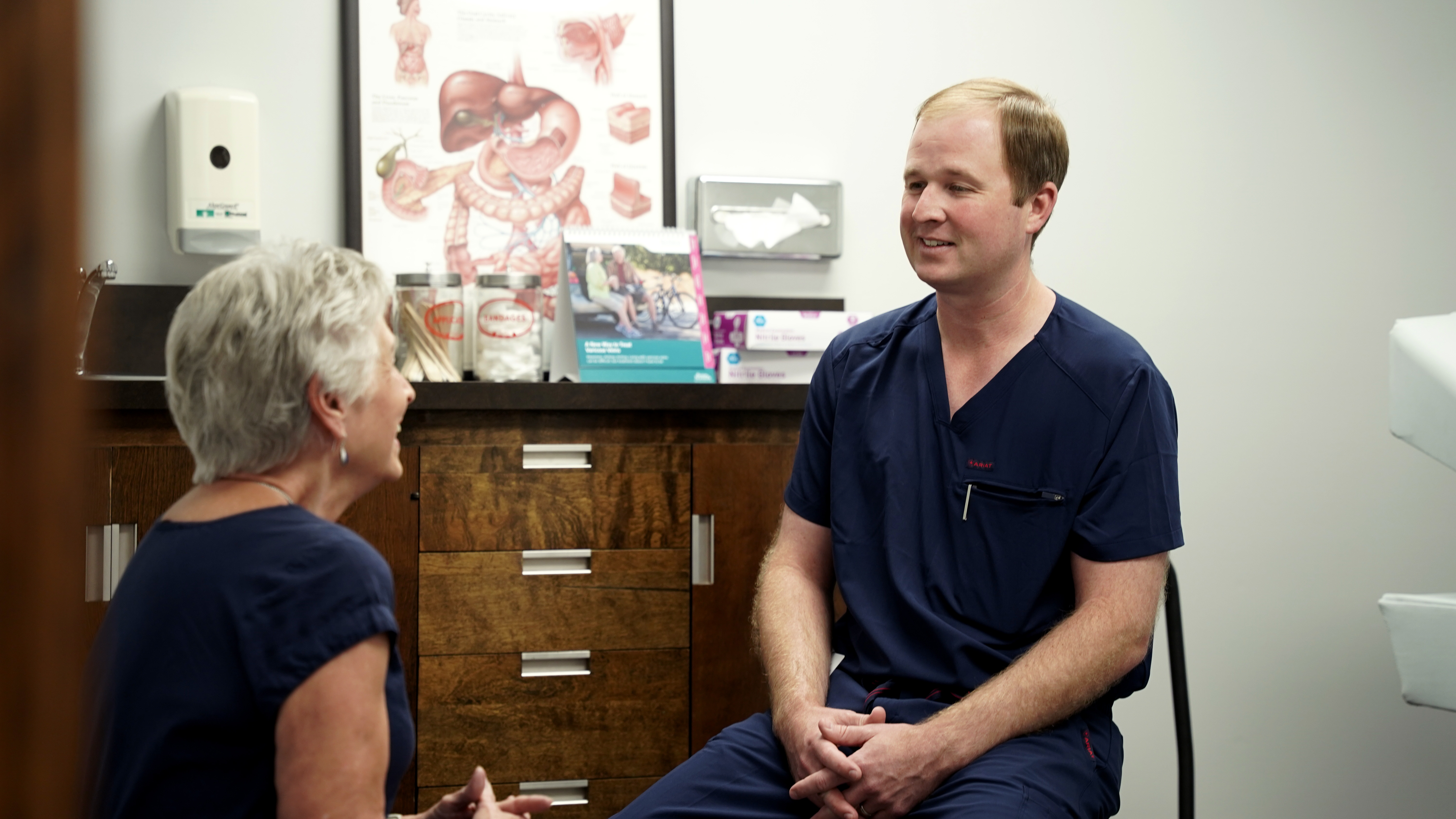
Dr. Devin Seale consulting with a patient
Vein program lead

Dr. Devin Seale, MD

Sulphur native, 2nd generation. Son of A. Kent Seale, one of the founding partners of Sulphur Surgical Clinic. Washington and Lee University; medical degree from Tulane School of Medicine; general surgery residency at Ochsner Medical Center, New Orleans. Leads the Lake Area Vein Center program.

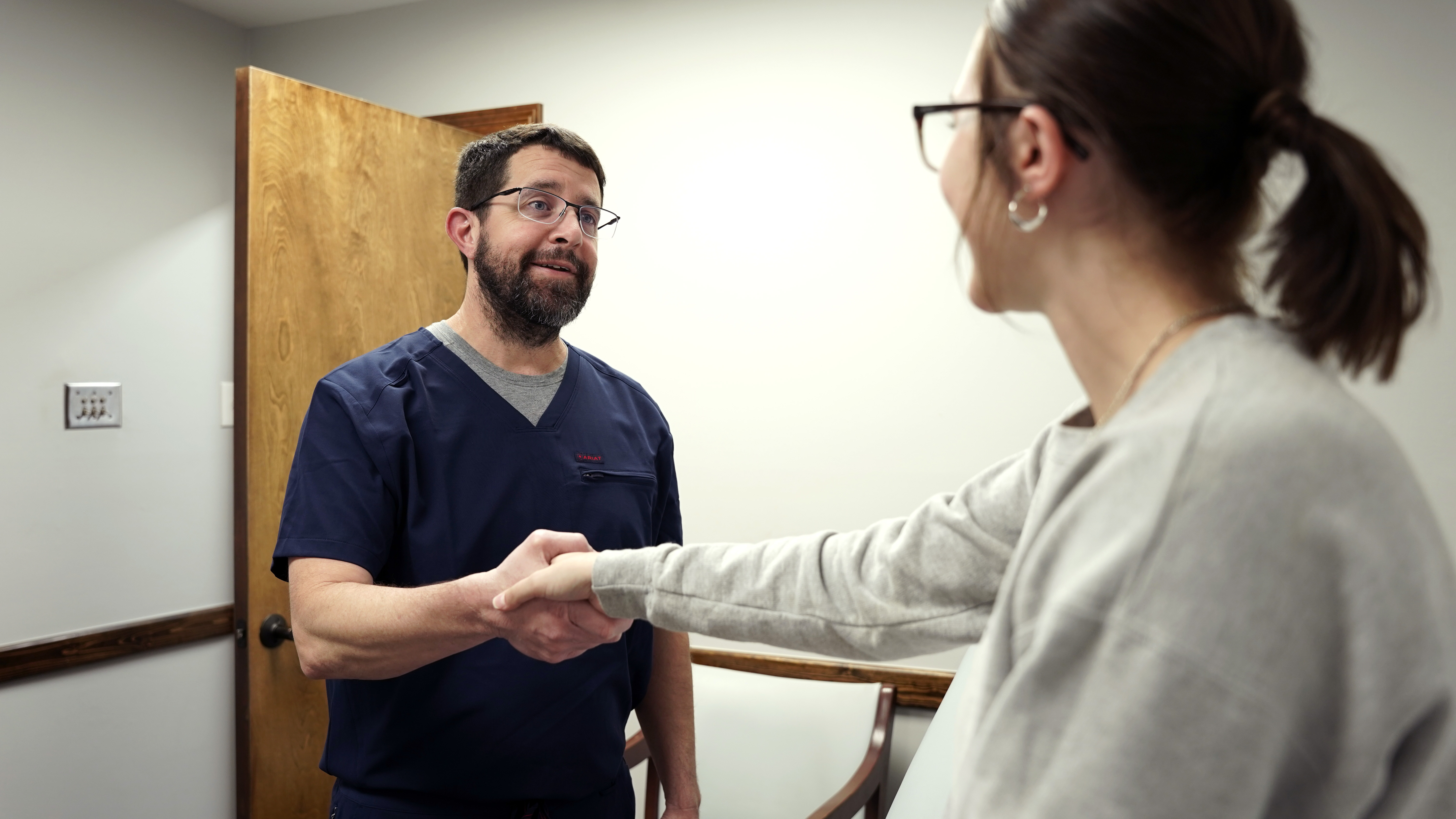
Dr. Stephen Castleberry greeting a patient
Board-certified

Dr. Stephen Castleberry, MD

Sulphur native, 10+ yrs in practice. Native of Sulphur, LA. Medical degree from LSU Health Sciences Center, New Orleans; general surgery residency at Scott & White Hospital in Temple, TX. Performs EVLT, Varithena, and micro-phlebectomy for the vein center.

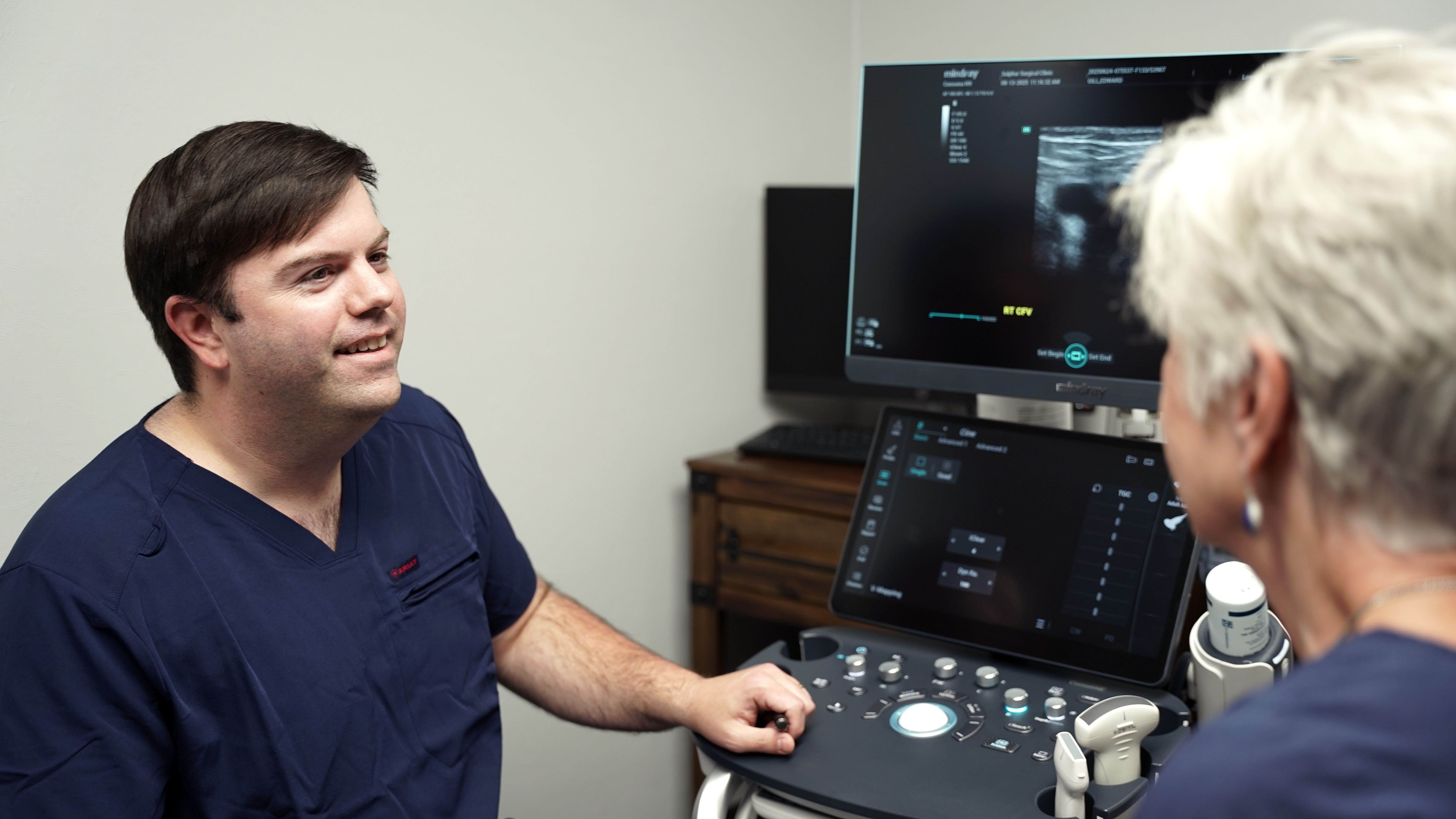
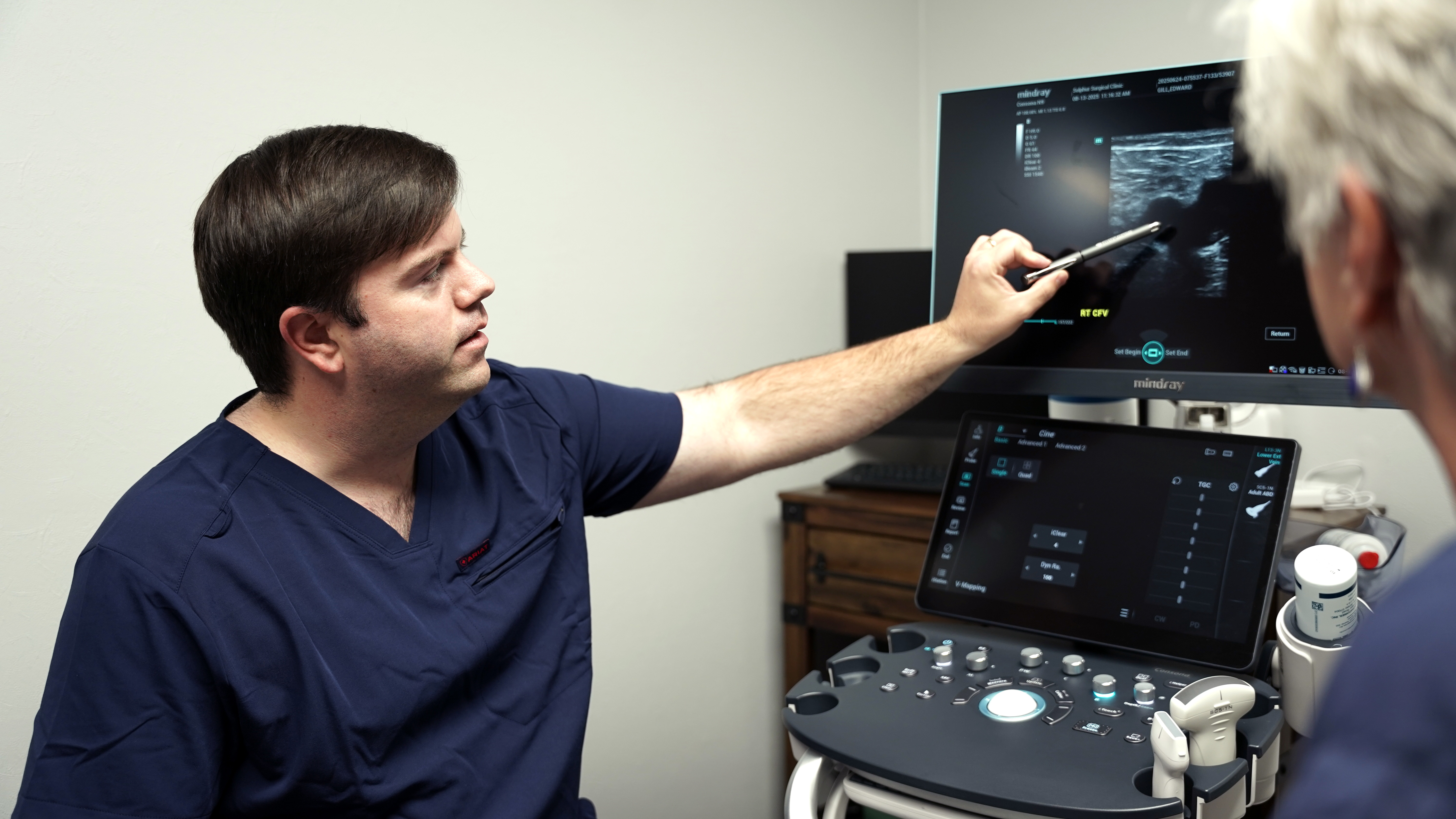
Dr. Matthew Ayo reviewing an ultrasound with a patient
Board-certified

Dr. Matthew D. Ayo, MD

Minimally-invasive, former chief resident. Native of Alexandria, LA. LSU undergrad; medical degree from LSU Health Sciences Center, Shreveport; general surgery residency at Ochsner Medical Center, New Orleans — chief resident in his final year. Focuses on minimally-invasive technique to reduce scarring and recovery time.

Plus a registered vascular technologist, vein techs, and the front-desk staff who walk you through insurance and scheduling.

Locations

Two offices across Southwest Louisiana

Vein care across Southwest Louisiana — with the ultrasound suite and primary vein office in Lake Charles.

The Journal

Understanding your veins

Plain-language guides to vein conditions and modern, minimally-invasive treatment — written by our surgeons for patients across Southwest Louisiana.

Read the FAQ

Next in the series — EVLT vs. Varithena: Which Vein Treatment Is Right for You? · July 2026

Frequently asked

Vein care questions, answered

The questions we hear most often at Lake Area Vein Center.

What is venous insufficiency?
Your leg veins rely on one-way valves to push blood up toward the heart. When those valves weaken or fail, blood pools in the lower leg — called venous reflux — and the resulting pressure causes aching, heaviness, swelling, and visible varicose veins. It's a structural, treatable condition, not simply a normal part of aging. Read the full guide →
Are varicose veins just cosmetic, or are they covered by insurance?
When varicose veins are caused by documented venous insufficiency and produce symptoms like pain, heaviness, or swelling, treatment is medical — not cosmetic — and is covered by most insurance plans. An in-office venous reflux ultrasound documents the disease and is required before insurance will approve treatment.
EVLT or Varithena — which treatment will I need?
It depends on the anatomy of your veins. EVLT (laser) is ideal for straight trunk veins like the great saphenous vein — the root cause of most venous disease. Varithena foam is better for twisting, branching, or residual varicose veins. Many patients benefit from a combination. Your ultrasound maps exactly which veins are involved.
Does vein treatment require surgery, anesthesia, or downtime?
No. Our procedures are minimally invasive and performed under local anesthesia — no hospital stay and no general anesthesia. Most take under an hour, you walk out the same day, and most patients return to normal activity within 24 hours (often the same day for Varithena).
Can spider veins be treated, and is it covered?
Yes. We treat spider veins with cosmetic sclerotherapy using FDA-approved Asclera® — a quick, in-office series of micro-injections with no downtime. Purely cosmetic treatment is typically self-pay (CareCredit financing accepted), but if your spider veins are symptomatic and tied to documented venous reflux, treatment may qualify for insurance coverage.
I developed varicose veins during pregnancy — when can I be treated?
Most procedures aren't recommended during pregnancy, but compression stockings, leg elevation, and low-impact activity safely manage symptoms. After delivery, most specialists recommend waiting at least three months so hormones, blood volume, and swelling normalize before treatment.
Insurance & financing

Start with an ultrasound consult.

An in-office vein ultrasound is the first step for nearly every patient — and a requirement before insurance will approve treatment. Our front-desk staff verify your insurance and walk you through scheduling, with CareCredit financing available.

Patient portal & bill pay · CareCredit financing · recovery instructions — all on the Patient Info page